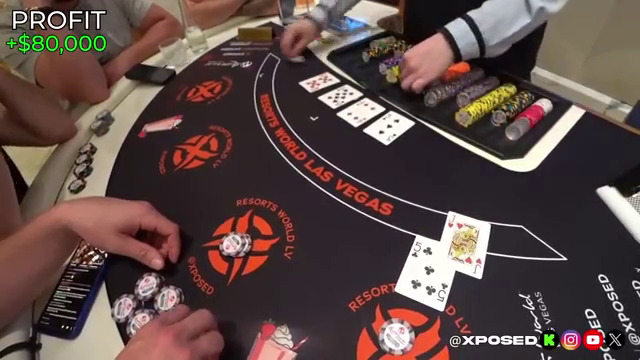
As a representative of an online casino, I frequently encounter aspirational players who fantasize about a gambling lifestyle-a life sustained by the thrill of wagers, high-stakes wins, and a constant rotation of casino environments. From my perspective, this notion straddles the line between fantasy and reality. While it is theoretically possible to generate consistent income from gambling, achieving a sustainable lifestyle requires discipline, statistical insight, financial management, and a tolerance for risk that few possess. The public perception of gambling as a glamorous, adrenaline-infused vocation often obscures the immense complexity and volatility underlying this ambition.

Understanding whether a gambling lifestyle is feasible necessitates examining the interplay of probability, strategy, player psychology, and operational knowledge. From slots and roulette to poker and sports betting, each segment of the casino ecosystem offers distinct pathways toward engagement, risk, and potential profitability. Yet the line between calculated strategy and impulsive risk is thin, and few players navigate it without encountering setbacks. For those seeking to convert gambling into a lifestyle, success requires meticulous planning, unwavering self-awareness, and an acceptance of outcomes governed by both chance and skill.
In the sophisticated digital landscape of Canberra in 2026, the local gaming culture has shifted away from the reckless “all or nothing” approach toward a more calculated, duration-based strategy. As a representative of the industry, I have observed that players in the capital, often characterized by their analytical nature, are less interested in the singular flash of a jackpot and more focused on the sustained thrill of a long, profitable session. When you are looking through a modern ranked online casino guide, the most important skill you can acquire is the ability to recycle your small wins into fuel for further play. This is not about chasing losses; it is about the “Economy of the Session.” In 2026, we have the tools and the data to show you exactly how to turn a $20 micro-win into three hours of high-quality entertainment without dipping back into your primary bankroll.

The Canberra Grind: Why Duration is the New Payout

Canberra has always been a city of precision and planning. In 2026, this translates to the “Long Session” philosophy. The digital infrastructure in the ACT is now the fastest in the country, allowing for a seamless integration of live data and gameplay. For the Canberra punter, the win isn’t just the money, it is the time spent in the “flow state” of the game. Turning small wins into a long session requires a transition from a consumer mindset to a manager mindset. You must view every win as a dividend that can be reinvested to buy more time on the server.

As a long-standing representative in Australia’s online casino industry, I can say that 2026 will mark a major turning point. Online casinos are no longer just flashy websites offering bonuses and slots. Innovations like $1 min deposit AU models, AI-driven personalization, immersive live dealer experiences, and mobile-first design are transforming how players interact with digital casinos. For new players, $1 minimum deposit offers provide an easy, low-risk way to explore real-money gaming while building trust in the platform.

The trends emerging this year reflect deeper shifts in strategy, technology, and player expectations. From regulatory updates to advanced gameplay technologies, the online casino market in Australia is evolving faster than ever. Below, I’ll explain the most significant developments shaping the industry and what they mean for both players and operators.

As we move through the middle of 2026, the definition of “fast” in the Austrian gaming world has been completely rewritten by the maturity of the Bitcoin ecosystem. As a representative of the industry’s elite platforms, I have watched the transition from the clunky, thirty-minute confirmation times of 2024 to the instantaneous, sub-ten-second reality of today. In the current landscape, the Austrian player is no longer satisfied with a withdrawal that takes “a few hours.” They expect their satoshis to move with the same velocity as their light-speed fiber connections. This has elevated a select few operators who have successfully integrated the Bitcoin Lightning Network directly into their cashier systems, creating a seamless bridge between high-intensity bitcoin slots and the player’s private non-custodial wallet. In 2026, the “pending” status is a relic of the past; if your casino isn’t sending your Bitcoin before you can even close the app, you are playing at a platform that is living in a bygone era.

The 2026 Standard: Lightning Network Integration

To understand how we achieve 10-second withdrawals in Austria today, we have to look at the “Layer 2” revolution. In my expert view, the primary bottleneck of early crypto gambling was the Bitcoin mainnet itself. Waiting for a block confirmation (roughly ten minutes) was the industry standard for years. However, in 2026, the elite Austrian casinos have moved exclusively to Lightning Network-enabled payouts.

Introduction: Why Transparency Is Essential

In my experience as a representative of Australian online casinos, transparency has become the most important factor for players who want trust, fairness, and long-term enjoyment. In 2026, Australians are more selective than ever, preferring platforms that openly disclose their licenses, payout rates, and game mechanics. The top Australian online casinos now prioritize this transparency, ensuring that every spin, shuffle, or deal is fair and verifiable.

Transparency allows players to focus on strategy and enjoyment rather than questioning the integrity of outcomes. From spinning the latest pokies to playing live dealer games, knowing the platform is honest transforms the experience into one of confidence and engagement.

As someone deeply embedded in the online casino industry, I am frequently asked whether a casino career can be considered a legitimate professional path in 2026. Popular culture often glamorizes high-stakes gambling, poker tournaments, and online betting streams, portraying them as lucrative and free-spirited ways to make a living. However, the reality of pursuing casino play as a sustainable career is layered with nuance, combining elements of skill, psychological resilience, financial acumen, and strategic lifestyle management. While the allure of a career in casinos is undeniable, it demands meticulous preparation, discipline, and an understanding of both probability and human behavior.

A legitimate casino career is more than simply placing bets; it involves mastering games, developing strategies, managing risk, and navigating both regulatory and social landscapes. It requires reconciling the unpredictability of chance with the structure of professional life and understanding the evolving technological and digital dimensions of gambling.

As someone deeply involved in the online casino industry, I often encounter the question of whether the professional gambler life is truly fulfilling. Popular culture and social media portray professional gamblers as wealthy, glamorous, and free-spirited, chasing high-stakes thrills across luxury casinos and exclusive poker tournaments. Yet, the reality is far more nuanced, blending exhilaration with stress, independence with isolation, and extraordinary highs with devastating lows. The life of a professional gambler is a complex interplay between psychology, strategy, and personal resilience, and it challenges conventional notions of happiness, security, and purpose.

Understanding this life requires more than observing wins or losses; it demands immersion into the patterns, habits, and choices that define daily existence for those who rely on skill, intuition, and calculated risk as their primary means of income. It also forces us to examine how the pursuit of freedom, financial gain, and mastery can coexist with loneliness, volatility, and emotional strain.

As a representative of an online casino, I have observed the pervasive ways gambling in pop culture permeates entertainment, media, and social narratives. From blockbuster films to chart-topping songs, from celebrity endorsements to viral online content, gambling serves as both a motif and a driver of cultural fascination. Its integration is neither accidental nor superficial; it taps into human psychology, aspirational desires, and societal storytelling, shaping collective perceptions of risk, reward, and identity.

The intersection of gambling and pop culture is multifaceted: it encompasses symbolism, lifestyle branding, narrative tension, and aspirational imagery. Casinos, sports betting, and high-stakes games appear not merely as activities but as cultural artifacts, influencing fashion, music, digital media, and celebrity personas. As someone immersed in the industry, I recognize that the cultural resonance of gambling is both intentional, through marketing and storytelling, and emergent, reflecting innate human attraction to risk and spectacle.

As a representative of an online casino, I have witnessed the meteoric rise of the tiktok casino phenomenon, where influencers have transformed gambling content into one of the platform’s most compelling and widely consumed niches. What began as casual entertainment has evolved into a multi-dimensional ecosystem that intertwines social media influence, financial opportunity, psychological engagement, and technological innovation. TikTok’s format-short, rapid-fire videos optimized for virality-aligns perfectly with the emotional intensity of casino play, allowing influencers to capture both the thrill of risk and the allure of luxury lifestyle in ways that traditional media never could.

The surge of casino influencers on TikTok represents more than a marketing trend; it reflects the convergence of human psychology, digital entertainment, and aspirational culture. The platform’s algorithm rewards engagement, emotional response, and shareability, creating a feedback loop where high-stakes wins, dramatic losses, and personality-driven narratives amplify visibility exponentially. Yet, behind the apparent glamour and virality lies a complex interplay of behavioral economics, strategic marketing, and ethical considerations that casinos, regulators, and influencers must navigate carefully.

As a representative of an online casino, I have observed firsthand the staggering ascent of sports betting from a niche pastime to a fully integrated global industry, influencing millions of players, shaping media landscapes, and redefining the relationship between sports, entertainment, and finance. Sports betting today is not merely a recreational activity; it is a multi-billion-dollar ecosystem that encompasses technology, psychology, culture, and economics. Its rapid growth illustrates both the universal human appetite for risk and prediction, as well as the transformative impact of digital platforms that have made wagering more accessible, immediate, and immersive than ever before.

The story of sports betting is one of convergence-of traditional sporting passion meeting technological innovation, of regional practices merging into international markets, and of casual play evolving into sophisticated strategy. Yet, this global phenomenon is not without complexity: regulatory challenges, ethical concerns, and societal impacts intertwine with financial opportunity, entertainment value, and technological sophistication. Understanding this evolution requires a comprehensive examination of history, economics, technology, and human behavior.